
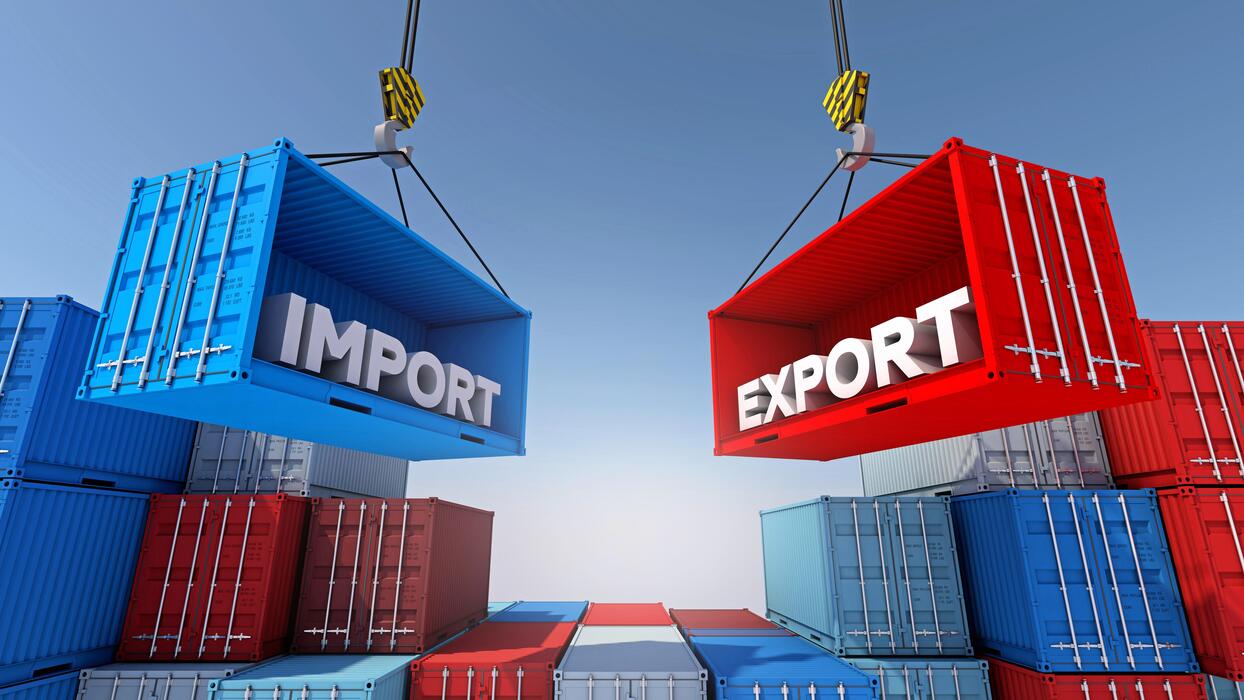
Develop the professional skills required to manage international trade operations with confidence. This practical course covers the complete import-export lifecycle, including international market research, trade contracts, Incoterms®, shipping documentation, customs clearance, freight forwarding, trade finance, export pricing, landed-cost analysis, cargo insurance, and regulatory compliance.
Through real-world business scenarios, practical exercises, and an integrated capstone project, participants will learn how to coordinate international shipments, manage documentation, evaluate trading costs, reduce transaction risks, and improve operational performance.
Whether you are starting a career in international trade, managing import-export activities, working in procurement or logistics, or expanding your business into overseas markets, this course provides a structured foundation for effective global trade management.
Course Objective
The objective of the Certified in Import & Export Management course is to equip participants with the knowledge and practical skills required to plan, coordinate, and manage international trade operations effectively. The course covers global trade principles, import-export procedures, international commercial terms (Incoterms®), trade documentation, customs clearance, freight forwarding, logistics management, payment methods, trade finance, insurance, and regulatory compliance.
Participants will learn how to evaluate international markets, select reliable suppliers and buyers, negotiate commercial agreements, calculate landed costs, manage shipment risks, and maintain accurate trade records. Through practical activities, case studies, and simulated transactions, the course develops the competencies needed to reduce operational errors, control costs, improve shipment efficiency, and support compliant, profitable, and sustainable international trading activities.
Target Audience
This course is suitable for professionals and aspiring practitioners involved in international trade, import-export operations, procurement, purchasing, logistics, shipping, freight forwarding, supply chain management, and customs coordination. It is particularly valuable for import-export executives, trade compliance officers, logistics coordinators, procurement specialists, shipping personnel, warehouse managers, commercial executives, and documentation specialists seeking to strengthen their professional capabilities.
Business owners, entrepreneurs, and managers planning to establish or expand international trading activities will also benefit from the programme. Graduates, job seekers, and professionals transitioning into global trade can use the course to build a strong operational foundation. No advanced international trade experience is required, although familiarity with basic business operations, purchasing, sales, or logistics will help participants maximise their learning experience.
Learning Objectives
By the end of the course, participants should be able to:
- Explain the fundamentals, structure, and importance of international trade.
- Identify international markets and assess import-export business opportunities.
- Understand export-import procedures and the complete trade transaction lifecycle.
- Interpret Incoterms® rules and determine the responsibilities of buyers and sellers.
- Identify, prepare, and verify essential import-export documents.
- Apply customs procedures, tariff classifications, and customs valuation principles.
- Coordinate international shipping, freight forwarding, and multimodal transportation.
- Understand international payment methods, trade finance instruments, and credit risks.
- Calculate product pricing, freight charges, duties, taxes, and total landed costs.
- Identify international trade risks and apply appropriate insurance and mitigation measures.
- Recognise trade sanctions, export controls, and applicable regulatory requirements.
- Develop effective import-export operating procedures and performance monitoring practices.
Learning Outcomes
Upon successful completion of the course, participants will be able to:
- Describe the key stages of an international import-export transaction.
- Prepare a basic market assessment for a proposed international trading opportunity.
- Develop an import-export transaction workflow with defined responsibilities and timelines.
- Select suitable Incoterms® rules for different commercial and logistical situations.
- Compile and check commercial invoices, packing lists, certificates, and transport documents.
- Coordinate with customs brokers, freight forwarders, carriers, suppliers, and customers.
- Estimate landed costs and evaluate the commercial viability of international shipments.
- Compare payment methods and identify appropriate controls for managing payment exposure.
- Identify shipment, documentation, currency, compliance, and counterparty risks.
- Apply a structured approach to shipment tracking, customs clearance, and delivery coordination.
- Maintain organized transaction records to support audits and regulatory requirements.
- Develop an actionable import-export management plan using practical case studies and exercises.
Course Syllabus
Module 1: Fundamentals of International Trade: Understand global trade principles, trade participants, market opportunities, and the international business environment.
Module 2: International Market Research and Trade Planning: Evaluate foreign markets, identify buyers and suppliers, assess demand, and develop import-export business plans.
Module 3: International Trade Contracts and Incoterms®: Understand commercial agreements, delivery responsibilities, risk transfer, and allocation of costs between trading partners.
Module 4: Import-Export Documentation and Procedures: Manage commercial, transport, customs, origin, and other documents throughout the trade transaction lifecycle.
Module 5: Customs Clearance, Tariffs, and Trade Compliance: Learn tariff classification, customs valuation, duties, origin rules, trade restrictions, and regulatory controls.
Module 6: International Shipping, Freight, and Logistics: Coordinate shipping methods, freight forwarding, cargo handling, shipment tracking, and delivery performance.
Module 7: International Trade Finance and Payments: Evaluate payment methods, letters of credit, documentary collections, foreign exchange, and trade credit risks.
Module 8: Export Pricing, Landed Cost, and Profitability: Calculate export prices, freight and insurance expenses, customs charges, landed costs, and trading margins.
Module 9: International Trade Risk and Cargo Insurance: Identify commercial, operational, transportation, financial, and compliance risks and develop mitigation strategies.
Module 10: Digital Trade Operations, Performance, and Capstone Project: Use digital trade tools, monitor operational KPIs, improve procedures, and integrate learning through a simulated transaction.